Asbestos Removal in Toronto & the GTA
Asbestos removal is a regulated abatement operation governed by Ontario Regulation 278/05. We handle Type 1, 2, and 3 operations — from single ceiling tiles to full vermiculite attic removal — with certified crews, full containment, MOL notification where required, and licensed disposal. If you own a Toronto-area home built before 1990, there is a meaningful chance you have asbestos-containing materials somewhere in the building.
Why Asbestos Work Is Different From Regular Restoration
Asbestos is a regulated hazardous material in Ontario. Every aspect of the removal — notification, containment, PPE, air monitoring, disposal — is specified in Ontario Regulation 278/05. Skipping steps is not just a compliance issue; it is a public health issue that can contaminate your home for years and expose everyone who enters it to inhalable fibers.
The health risk is specifically inhalation of airborne fibers, which can cause mesothelioma, lung cancer, asbestosis, and pleural disease decades after exposure. The latency period is 20-40 years, which is why asbestos deaths today come from workplace exposures in the 1970s and 1980s. The point: you do not see or feel the damage when it happens, so the regulation around containment and air filtration exists precisely to prevent the exposures that show up 30 years later.
Where Asbestos Lives in GTA Homes
In any pre-1990 Toronto home, asbestos-containing materials are common in specific locations:
- Vermiculite attic insulation (Zonolite) — loose, pebbly insulation in attics of homes built roughly 1940-1990. A portion of Zonolite from the Libby, Montana mine contained tremolite asbestos. Common across Scarborough, East York, and older Toronto neighborhoods.
- 9×9 inch vinyl floor tiles — the tiles themselves often contain chrysotile, and the black mastic underneath almost always does in pre-1985 installations
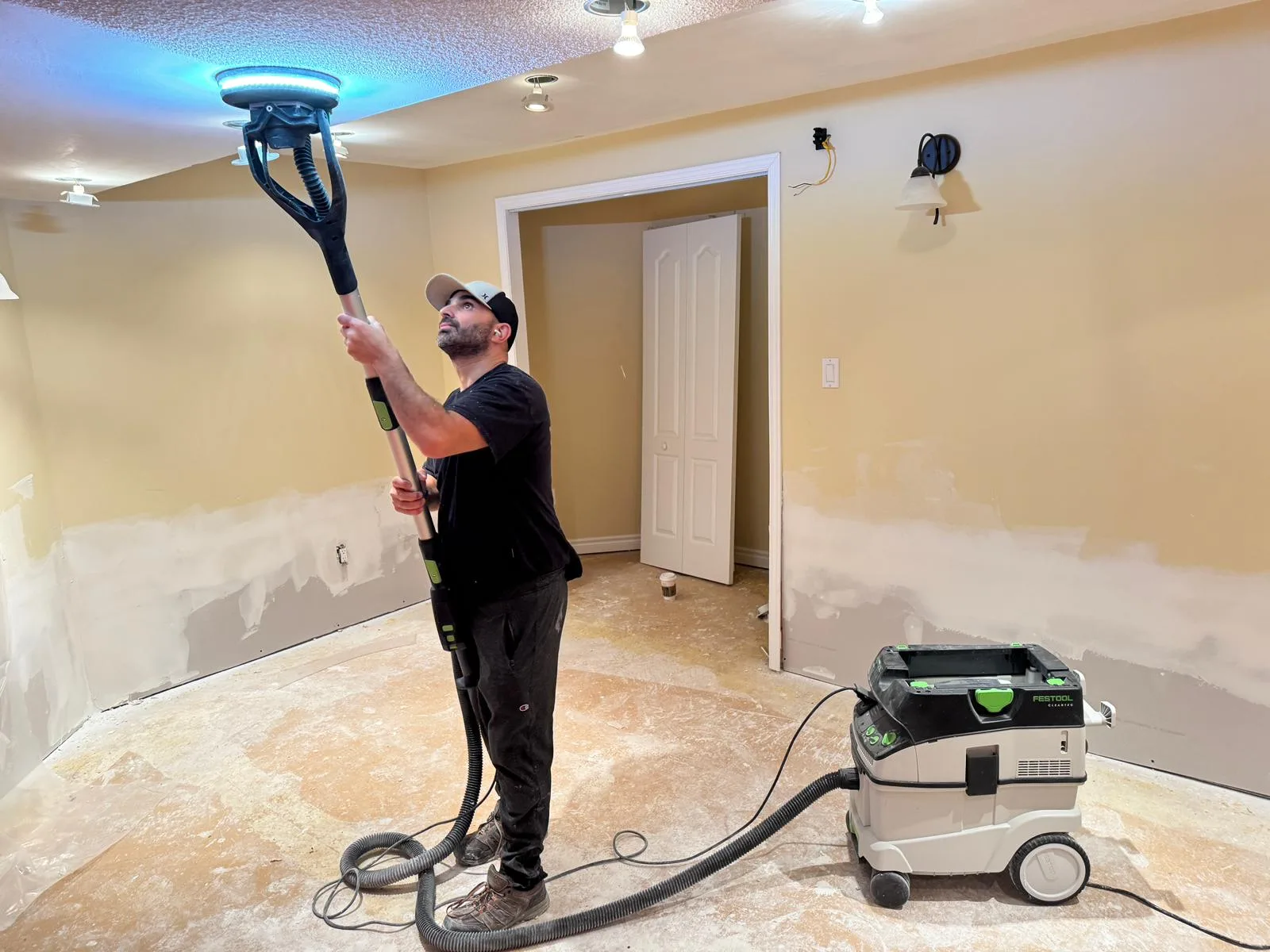
- Popcorn and textured ceilings — sprayed acoustic ceiling finish in homes built 1950-1985 frequently contains chrysotile
- Pipe and boiler insulation — hot water and steam pipes in basements, often wrapped in white fibrous insulation with cloth jacket. Very common in older Toronto houses and apartment buildings.
- Drywall joint compound — older pre-mixed compounds contained chrysotile. Disturbing it during renovations is a common exposure source.
- Cement board and transite — cement siding, ductwork, and roof shingles in mid-century homes
- Furnace cement, boiler gasketing, and duct mastic — small-quantity but common throughout mechanical systems
- Fireproofing spray — on structural steel in some older buildings and a few high-end residences
Type 1, 2, and 3 Operations
Type 1 — Minor Disturbance
Small scope: single ceiling tile, small section of floor tile, gasket removal. Wet methods, HEPA vacuum, proper disposal. No containment required but full PPE and proper procedures still apply.
Type 2 — Moderate Work
Single-room floor tile removal, glove-bag operations on pipe insulation, drilling through asbestos board. Requires localized containment, wet methods, and HEPA-filtered equipment. Workers in half-face respirators and Tyvek.
Type 3 — Major Abatement
Vermiculite attic removal, large-area floor tile removal, spray-on ceiling removal, full pipe insulation strip-out. Full containment, negative air with HEPA exhaust, three-stage decon showers, full-face respirators or supplied air, and MOL notification required before work begins.
When Asbestos Collides With Restoration
This is where asbestos intersects with water damage and fire work. In a pre-1990 home with a flooded basement, the damaged drywall may contain asbestos joint compound; the wet pipe insulation may be asbestos-based; the damaged floor tiles almost certainly have asbestos mastic underneath. Standard water damage demolition in that scenario would release fibers throughout the home — and where there is wet insulation, there is often mold already starting, complicating the scope further.
Our process in pre-1990 properties: we test suspect materials before any demolition, we pause restoration if asbestos is confirmed, we complete abatement under the correct type, and then we resume the water damage or fire restoration. This is especially common in older Scarborough housing stock, where vermiculite attic insulation and asbestos floor tiles are the norm in homes built before 1980. This adds time to the job but it is the only right way to handle it. Trying to sneak past asbestos rules during an emergency is how homes get contaminated and how claims turn into lawsuits. The Ontario Ministry of Labour's designated-substance guidance is the operational companion to Reg. 278/05 — it spells out exactly what notification, training, and documentation any contractor working on your home is required to have on file.
Health Canada's guidance on asbestos is straightforward: intact asbestos is low risk; disturbed asbestos is serious risk. The point of proper abatement is to prevent the disturbance from becoming an airborne exposure.
Asbestos Removal Emergency?
Available 24/7 across the GTA
Related Services
Why homeowners across the GTA call us first.
24/7 emergency response
A real technician answers the phone — not an answering service. Trucks roll within five minutes of your call.
IICRC certified, Baeumler approved
Every job follows IICRC S500/S520 protocols, so your insurance claim is documented to the standard adjusters expect.
Insurance handled directly
We bill your insurer, document the scope, and stay in front of the adjuster. You pay the deductible.
In-house from start to finish
Same crew from the first emergency call to final paint. No subcontractors, no handoffs, no finger-pointing.
Frequently Asked Questions
Suspect Asbestos? Don't Disturb It — Call First.
Certified Type 1, 2, and 3 abatement across the GTA. Testing, scoping, and MOL-compliant removal.